Strange isn’t it that when it comes to secrecy in Britain it’s the smaller public authorities that are often the worst offenders.
Most journalists working in this country will have tales to tell about how difficult it can sometimes be to get a straight answer from a local council.
Unfortunately the default position seems often to be: “Why should we help?” rather than: “Why shouldn’t we?”
So when it comes to getting accurate figures for anything from recycling to child abuse the expectation of transparency and openness that local politicians often promise falls flat when it comes to what they actually deliver.
Obstruction
If it’s not secrecy it’s plain obstruction. Today I asked Leeds city council for permission to access the town hall steps to film one of the magnificent stone lions adorning the entrance.
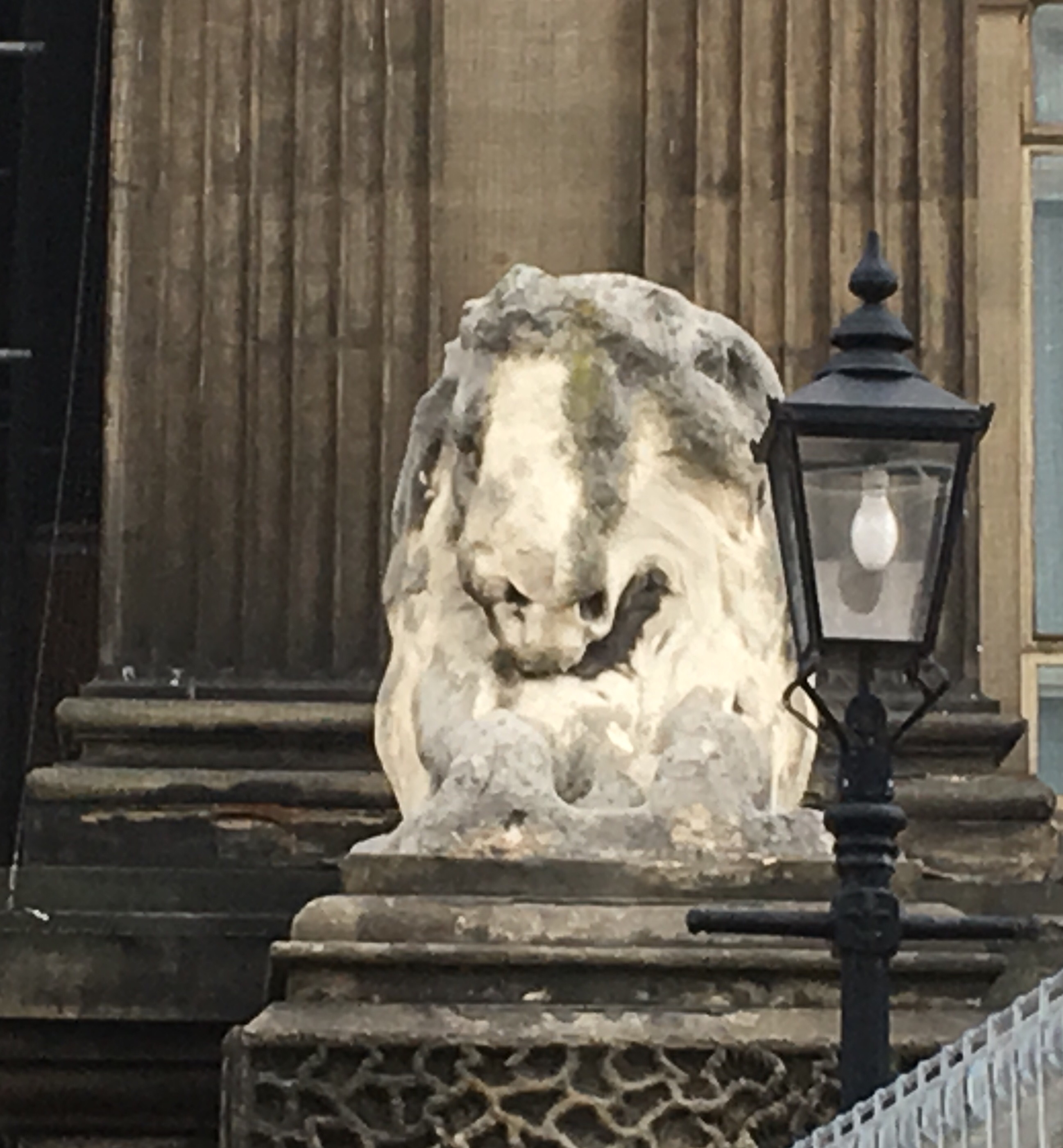
Ever the optimist I expected permission to be a formality. It’s the town hall after all! It belongs to all of us right? I should’ve known better.
The press officer (who, to be fair was really polite and sounded apologetic when she returned my call) said: “It’s a no I’m afraid.”
The city council was setting up for a festival and couldn’t grant permission on “health and safety grounds” So we were considered a safety risk despite the fact that people were still going in and out of the building past those very lions.
Pollution
I couldn’t help but wonder whether the answer had something to do with the fact that we were filming a report about air pollution and wanted to show the effects of chemical corrosion from pollution on the poor stone lion’s face.
Not the end of the world you may think. But the attitude of local bureaucrats and politicians is too often one that is closed, secretive and defensive. And if that’s the approach when it comes to a simple, easy-to-grant request – it raises questions about the tougher requests concerning details of things such as public safety and life-and-death decisions. Ask Kensington Council about that.
 mynewsnorth